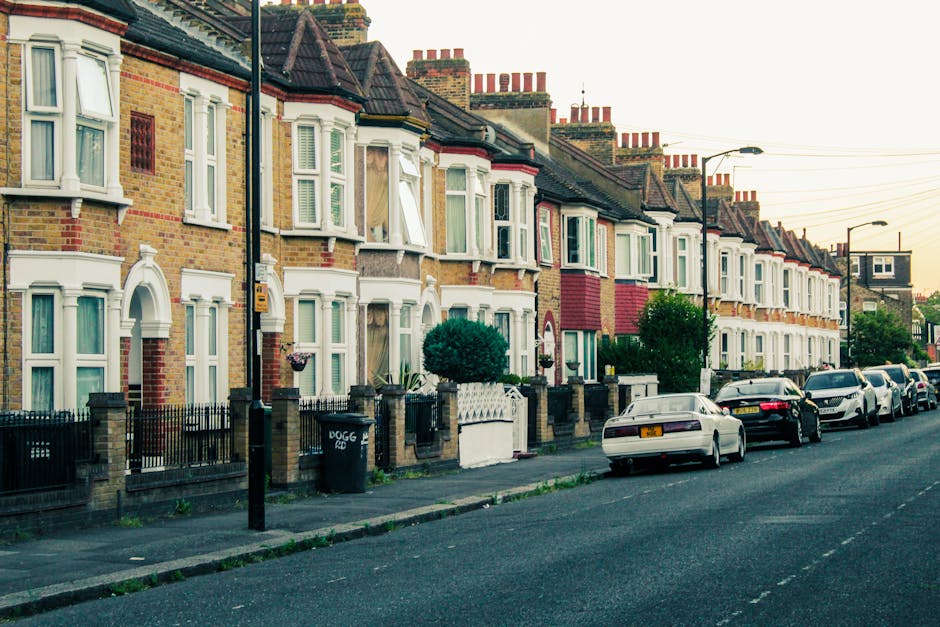
Clarendon Road WD17 House Removals Parking Tips Watford: A Practical Local Guide
Moving house on Clarendon Road in WD17 sounds straightforward until the parking reality hits. Tight bays, passing traffic, neighbours needing access, and a removal van that is just a bit bigger than you hoped for can turn a calm moving day into a stressful one. The good news? With the right Clarendon Road WD17 house removals parking tips Watford residents can avoid most of the common headaches before they start.
This guide is written for anyone planning a house move in Watford, especially on or near Clarendon Road, where access planning matters almost as much as the packing itself. You will find practical parking advice, timing tips, compliance considerations, a simple step-by-step plan, and a realistic checklist you can actually use. No fluff. Just the kind of detail that saves time, money, and a fair bit of frustration.
Why Clarendon Road WD17 house removals parking tips Watford Matters
Parking is one of those moving-day details people leave too late. Then, at 8:15 on a damp morning, the van is circling, the front door is open, and someone is trying to hold a mattress upright while a car wants to squeeze through. Not ideal, really.
On a busy road such as Clarendon Road in WD17, parking affects almost everything: how close the van can get, how many trips the crew needs to make, whether bulky furniture can be loaded safely, and whether neighbours can still get in and out. If the vehicle has to park too far away, the move slows down. That usually means more labour time, more lifting, and more chance of something getting scuffed.
It also matters for goodwill. A considerate move is a smoother move. When vehicles are positioned sensibly and access is kept open where possible, the whole street feels less disrupted. That is something neighbours remember, and it can make a surprising difference if you are moving into or out of a closely packed residential area.
To be fair, parking issues are not unique to Clarendon Road. But roads like this, where homes, visitor spaces, and regular traffic all compete for a finite amount of kerb space, make forward planning especially valuable.
How Clarendon Road WD17 house removals parking tips Watford Works
The basic idea is simple: decide where the removal vehicle will stop, how long it will need to stay there, and what backup plan you will use if the first option is taken. That sounds obvious, yet the move-day scramble usually begins because nobody actually assigned a parking plan to anyone.
For a house removal in Watford, a practical parking plan normally includes:
- a clear loading point as close to the property as possible
- room for the van or truck to sit without blocking driveways or crossings
- space for doors to open fully and safely
- a route from front door to vehicle that avoids tight turns or steps if you can help it
- an alternative bay or second option if the first space is occupied
In some cases, people choose a smaller vehicle such as a man and van or a removal van because it is easier to position on a narrower street. In other cases, a larger crew and a bigger vehicle make more sense, especially if the property is fully furnished or has awkward items like wardrobes, a piano, or awkward corner sofas.
The trick is matching the vehicle and access plan to the road, not the other way round. Small detail, big difference.
Key Benefits and Practical Advantages
Good parking preparation for a house move on Clarendon Road is not just about convenience. It has several very practical advantages.
- Faster loading: the nearer the van is, the less time spent carrying heavy boxes and furniture.
- Lower risk of damage: fewer long carries means fewer opportunities for knocks, dropped items, and stressed-out corners.
- Less disruption: a tidy loading plan keeps footpaths, driveways, and shared access clear.
- Better labour efficiency: removal crews work more smoothly when they are not constantly walking extra distance.
- Reduced stress: when the parking part is already solved, the day feels much more manageable.
There is also a cost angle. Even if a removal company charges fairly, wasted time due to poor parking can stretch the job. A few metres of extra walking may not sound like much, but over dozens of trips it adds up. And once people are tired, simple mistakes happen. Someone forgets a box in the hallway. A chair clips a wall. A kettle ends up on the wrong van. You know how it goes.
Expert summary: On roads with limited or contested parking, the best move is usually the one that makes the vehicle position predictable, the walking route short, and the loading area calm.
Who This Is For and When It Makes Sense
This advice is useful for a wide range of movers, but it is especially relevant if you are:
- moving from a terraced or semi-detached house on Clarendon Road or nearby streets
- planning a weekday move when parking demand is higher
- moving with large furniture, fragile items, or a lot of boxes
- arranging a move with limited lift access or a long carry from the pavement
- using a larger vehicle and needing space to load safely
- trying to keep neighbours and passing traffic happy, which is always a wise move
It also makes sense if you are comparing different moving options. A bigger removal team may be ideal for a full house move, while a smaller service such as home moves or house removals may suit a more compact property or a shorter local transfer. If you are moving from a flat rather than a house, the parking and access considerations can be even tighter, so flat removals are often a better fit than a one-size-fits-all approach.
Truth be told, people often think parking matters only for the van driver. It matters for everyone in the chain: the packing team, the loading crew, your neighbours, and your own peace of mind.
Step-by-Step Guidance
If you want a move that runs smoothly, work through the parking plan in order. This is the part where a few minutes of preparation can save a few hours later.
- Check the street layout early. Walk outside at the time of day you expect the move to happen. Look at bay availability, driveways, bends, and any bottlenecks.
- Measure the obvious pinch points. If the van needs to reverse into a space or swing round parked cars, make sure there is enough room. It sounds basic, but it catches people out.
- Decide where the vehicle should stop. Aim for the shortest safe walking distance between the door and the loading point.
- Make a backup plan. Pick a second parking option in case your first choice is occupied when the crew arrives.
- Tell the removal team in advance. Share any access quirks, one-way sections, or tight corners so nobody is guessing on the day.
- Prepare the property frontage. Clear bins, scooters, plant pots, and loose obstacles from the path to the vehicle. One less thing to trip over.
- Keep a small access kit handy. Think tape, gloves, marker pens, a torch if needed, and your phone charger. Nothing glamorous, very useful.
If you have hired a professional crew, ask them what size of vehicle they expect to use. That single question helps you plan whether the road will comfortably take it. For larger or more demanding jobs, people sometimes look at a moving truck or compare it with a smaller van-based setup. Neither is automatically better. It depends on the street, the volume of belongings, and the level of access.
One small but important point: if the front entrance is busy with boxes, keep the pathway narrow but safe. You do not want a maze of cardboard, but you also do not want everything placed so far apart that the crew keeps zig-zagging. A clean line from door to vehicle is what you want.
Expert Tips for Better Results
Here are the details that usually separate a decent move from a good one.
- Plan for the vehicle, not just the boxes. People think about packing, then forget the practical shape of the van itself. Wheel arches, tail lifts, doors, and turning space all matter.
- Use the nearest legal stopping point, not the nearest convenient one. Shorter is great, but not if it blocks traffic or risks a penalty.
- Keep one person as the parking point contact. Too many voices shouting "just park there" is not helpful. One calm decision-maker is enough.
- Load the heaviest items first if the access route allows it. That helps the crew organise the van efficiently and reduces shuffling later.
- Protect corners and door frames before the van arrives. A little prep prevents the classic last-minute ding.
- Think about weather. A wet pavement in the morning can make boxes slippery, and a narrow parking gap feels even tighter when everyone is carrying items in the rain.
In our experience, the moves that go best are the ones where someone has already asked the "boring" questions. Where does the van wait? Who opens the gate? What happens if a resident car is in the space? Boring? Maybe. Effective? Absolutely.
And if you are booking additional support, services like packing and boxes or packing and unpacking services can also help reduce the amount of loose, last-minute clutter outside the house. Fewer loose items means a cleaner loading zone. Simple, but it works.
Common Mistakes to Avoid
Some parking problems are predictable. The same mistakes show up again and again.
- Assuming parking will "sort itself out". It rarely does.
- Waiting until move day to check access. By then, the van is already on the way and stress levels are rising.
- Blocking a neighbour's driveway, even for a few minutes. That can create conflict and slow the whole process.
- Underestimating the size of bulky furniture. A sofa that looked manageable in the lounge can suddenly become a stubborn giant in the street.
- Not allowing for more than one loading cycle. House moves almost always involve more trips than people expect.
- Forgetting to check if access changes during the day. School runs, refuse collection, delivery vans, and commuter parking all affect availability.
One particularly annoying mistake is parking too far away because it feels "safe". Safe for whom, exactly? If the walk becomes long enough that crew members are crossing the road with every few boxes, efficiency drops and risk rises. Balance matters.
Another common issue is not planning for a second vehicle if the move is large. If your belongings are split between different sizes of item, it may be more practical to compare different service types such as man with a van or a bigger removal truck hire option. There is no prize for choosing the largest possible vehicle. The right fit is the prize.
Tools, Resources and Recommendations
You do not need a complicated toolkit to handle parking well. A few sensible tools and habits go a long way.
| Tool or resource | Why it helps | Best used for |
|---|---|---|
| Street walk-through | Shows real-world access issues before move day | Planning the loading point and backup parking |
| Simple written plan | Keeps everyone aligned on where the vehicle will stop | Family moves and shared properties |
| Phone photos of the frontage | Useful for discussing access with the removal team | Awkward streets, low walls, narrow entrances |
| Labels and box markers | Speed up loading, unloading, and room placement | Any move with multiple rooms or floors |
| Professional moving support | Removes guesswork and helps with logistics | Busy roads and larger household moves |
If you are comparing providers, it is worth checking removal services against more specific options such as house removalists. Some moves need a broad service, others need more targeted support. The best choice is the one that fits the property, the belongings, and the parking reality on the street.
You may also want to review pricing and quotes early so there are no surprises if access is unusually tight or the job requires extra handling time. And yes, if you are the sort of person who likes reading the fine print, the terms and conditions and insurance and safety information are worth a look. Not exciting. Still useful.
Law, Compliance, Standards, or Best Practice
Parking for removals is not just a logistics question; it can also touch on local parking controls, access obligations, and general road safety. The exact rules depend on the street, any restrictions in place, and the type of parking enforcement operating locally. Because of that, the safest approach is to plan conservatively and avoid assuming a space is fine just because it is empty.
Best practice usually means:
- not blocking driveways, dropped kerbs, or emergency access
- keeping pavements as clear as possible for pedestrians
- making sure loading and unloading can be done safely
- following the removal company's safety procedures
- using suitable lifting and carrying methods for heavy items
Where parking is tight, a professional removal team should be able to adapt the plan sensibly. That may mean using a smaller vehicle, starting earlier, working in stages, or positioning the vehicle so that movement around the property remains safe. Good companies will talk through these points openly rather than glossing over them.
It is also sensible to think about insurance coverage and handling standards for your belongings. If something is valuable, awkward, or fragile, let the mover know in advance. That is especially true for specialist items. A piano, for example, needs more than a basic "we'll just lift it carefully" approach. For those kinds of jobs, piano removals are a much better match.
For anything involving business premises or mixed-use access, the same logic applies. If the move is not residential, compare your plan against commercial moves or office removals guidance instead of assuming house-move habits will translate neatly. They often do not.
Options, Methods, or Comparison Table
Different parking and access strategies suit different kinds of moves. Here is a simple way to compare them.
| Method | Pros | Trade-offs | Best for |
|---|---|---|---|
| Small van close to the property | Easy to position; shorter walking distance | May need more trips | Light to medium local moves |
| Larger removal truck with planned access | Handles more volume in fewer loads | Needs more room to park safely | Full house moves and larger families |
| Staged loading from a nearby legal stop | Useful where direct parking is impossible | Longer carry distance | Tight streets or restricted bays |
| Combined vehicle and storage plan | Reduces congestion and helps with timing | Requires more coordination | Moves with delays, refurb work, or staggered dates |
If you need more room between moving dates, storage can ease pressure. That is especially handy if the property will not be ready immediately or if you want to avoid crowding the hallway and front step with items that are not leaving on the first load. Sometimes the simplest answer is just to move less at once.
And for students or smaller occupancies, a leaner setup may be smarter. student removals and compact vehicle planning often fit better than a large, all-day operation. Again, fit matters more than scale.
Case Study or Real-World Example
Picture a family moving from a terraced house near Clarendon Road on a Friday morning. They expected the van to park directly outside, but two resident cars and a delivery vehicle made that impossible. Instead of panicking, they used a backup space a short walk away, kept the front path clear, and had one person managing access while the rest focused on loading.
The move was not perfect. It was one of those mildly chaotic mornings where someone is still looking for the box marked "kettle" while the dog is barking at every new sound. But because the parking fallback had been discussed the night before, nobody wasted half an hour arguing about where to stop the vehicle.
The result? Fewer delays, less backtracking, and a much calmer departure. The family later said the parking plan was the bit they were most glad they had sorted in advance. Not glamorous, but very effective.
That is the wider lesson here. On a road like Clarendon Road, your move rarely fails because of one huge problem. It usually gets messy through a chain of small, avoidable ones. Parking is often the first link in that chain.
Practical Checklist
Use this checklist in the final days before your move. It keeps things simple.
- Walk the street and identify the best loading point
- Check for driveways, bends, one-way sections, and tight turns
- Choose a backup parking option
- Tell the removal team about access limitations
- Confirm the likely vehicle size
- Clear bins, bikes, and loose items from the frontage
- Keep pathways clear but safe for carrying boxes
- Protect floors, walls, and door frames inside the property
- Separate fragile items and label them clearly
- Have keys, phone numbers, and paperwork ready
- Review any relevant health and safety policy details if the move involves a larger team or more complex handling
- Keep water, snacks, and chargers handy. Sounds minor, but by mid-morning it matters
One more thing: if the move is complex enough that you are juggling timings, vehicle access, and belongings in storage, do not be shy about asking for advice before moving day. A quick conversation can be worth more than an hour of improvised problem-solving.
Get a free quote today and see how much you can save.
Conclusion
Clarendon Road WD17 house removals parking tips Watford may sound like a niche topic, but in real life it is one of the small decisions that shapes the whole moving experience. The best moves are not just well packed; they are well parked, well timed, and well explained to everyone involved.
If you take one thing from this guide, let it be this: do not leave vehicle access to chance. Check the road, choose a sensible loading point, set a backup plan, and keep communication clear. That alone removes a lot of tension from the day. And honestly, on moving day, a little less tension feels wonderful.
When you combine smart parking with the right moving support, the whole process becomes calmer, quicker, and far less messy. That is the goal. Not perfection. Just a move that feels under control.
And if it all still feels like a lot, that is normal too. Moves are noisy, tiring, and slightly weird things. You get through them one decision at a time.
Frequently Asked Questions
What is the best parking plan for a house move on Clarendon Road in WD17?
The best plan is usually the one that gives the removal vehicle the shortest safe walk to the front door, while still keeping access clear for neighbours and traffic. A backup space is a smart idea too, just in case the first option is taken.
Should I choose a van or a larger truck for a move on a busy Watford road?
It depends on the amount of furniture, the access width, and how easy it is to park nearby. A smaller vehicle can be easier on a tight road, but a larger truck may reduce the number of trips. The right choice is the one that suits the street and the load.
How far can a removal van park from the property before it becomes a problem?
There is no single distance that always works. In general, the farther away the vehicle is, the more time and lifting are involved. If the walk starts getting long or awkward, efficiency and safety begin to suffer.
Do I need to tell the removal company about parking restrictions in advance?
Yes, absolutely. The earlier you share details about bays, driveways, narrow access, or possible restrictions, the easier it is for the team to plan the right vehicle and timing.
What should I do if another car is in the space I planned to use?
Have a backup option ready. That may mean a second bay, a nearby legal stopping point, or a slightly longer carry route. It is much less stressful if you have already decided this before the van arrives.
Can packing services help with parking and loading issues?
Indirectly, yes. If your items are packed and labelled properly, loading is faster and the front of the property stays clearer. That makes parking and vehicle turnaround easier. Services like packing and unpacking services can help keep the move more organised.
Are there special considerations for flat moves near Clarendon Road?
Yes. Flat moves often involve tighter access, shared entrances, and more pressure on parking. If that sounds like your situation, flat removals are usually worth considering because the access challenge is often part of the job.
How can I reduce the risk of damage while loading from the street?
Keep the route short, remove obstacles, protect door frames, and avoid overloading people with long carries. A calm loading area is far safer than a rushed one.
Is it worth comparing pricing before I book a move?
Yes, because access issues can affect how a job is priced and planned. Reviewing pricing and quotes early helps you understand what is included and whether the move needs extra time or a different vehicle.
What if my move includes heavy or specialist items?
Tell the removal team in advance. Items like pianos, large wardrobes, and delicate furniture may need specialist handling and a more careful parking setup. For those cases, piano removals and similar specialist services are far more appropriate than a basic lift-and-go approach.
Can storage help if the parking situation is too tight on moving day?
Yes. If you need to split the move or reduce the amount of loading happening at once, storage can make the day easier. It is a useful pressure-release valve when timing and access do not line up neatly.
Who should I contact if I want help choosing the right moving setup?
If you want help matching the vehicle, service type, and parking access to your move, start with the company's contact us page. A short conversation can often save a lot of guesswork later.