Removal Company in Watford

Our removal company in Watford provides practical moving support for homes, flats and smaller business premises, with services shaped around the way the property needs to be cleared, packed and transported. We handle planned moves as well as straightforward van-and-loader work, so customers can choose a level of help that matches the size of the job and the access available. The aim is to make the move feel orderly, with the right vehicles, lifting methods and preparation for the furniture and boxes involved.
We offer a broad removals service rather than a single fixed package, which means the work can cover house removals, flat removals, office removals and specialist items such as pianos or heavier furniture. In practical terms, that can include loading, transport, careful positioning at the destination and help with packing where needed. If you are comparing options, you can plan the move around the items that matter most instead of forcing everything into one approach. Our removal services page gives a useful overview of the different ways the work can be arranged.
When you are ready to move forward, it helps to send clear details of what needs moving, the collection and delivery points, and any access points such as stairs, lifts or parking limits. Those details make it easier to match the right vehicle and team to the work. If you want a figure for your move, you can ask for a quotation, or simply use the contact page when you are ready to discuss the practicalities.
House and flat removals
House removals and flat removals both depend on the same basic principles: sensible packing, safe lifting, and transport that suits the volume and shape of the load. The difference is often in access and timing. A family house may involve larger furniture, more boxes and a fuller loading plan, while a flat can bring stairwells, shared entrances or lift restrictions into the picture. We can help with both, keeping the moving process focused on the items that need to travel together.
For many customers, the most useful support is a combination of dismantling where appropriate, wrapping of more delicate pieces, and methodical loading so that items do not shift in transit. This is especially helpful when the move includes wardrobes, beds, tables or awkward household items that benefit from extra care. House removals are a central part of the service, and the same planning approach can be adapted for smaller homes, shared accommodation and compact flats.
Useful move decisions usually include what is being taken on the day, what is staying behind, and whether any pieces should be moved separately. It can also help to think about box labelling, fragile items and how rooms will be emptied in sequence. If you are comparing domestic options, a clear list of the largest items will give a more useful picture than a rough guess. For many customers, a concise enquiry is enough to start the quotation process.
Packing support and transport planning

Packing support can be a valuable part of a removals job when the move includes breakables, mixed room contents or items that are awkward to stack. We can support packing and unpacking where this is needed, helping to reduce the pressure on the moving day itself. Good packing is not just about filling boxes; it is about using the right materials for the item, protecting corners and making sure the load can be handled safely.
Where customers prefer to do some of the preparation themselves, it still helps to think about packing in stages. Start with items that are rarely used, then move through each room in a steady order. Heavy items are usually easier to manage when they are placed in smaller boxes, while lighter goods can be grouped more freely. Packing and boxes gives a route to support if you need supplies or help with the packing side of the move.
In transport planning, the important question is not simply how far the move is, but how the load will be handled. The route, the number of trips required and the layout of the properties all play a part. If a customer has particular items that need careful positioning or protection, that should be mentioned early so the move can be prepared properly. A short description of the load often helps more than a long explanation.
Furniture removals and specialist items
Some moves are really about furniture removals rather than a full household relocation. That might involve a single large item, a partial property clearance or the transfer of selected pieces into storage, another home or an office. Furniture often needs more than simple lifting: it may need to be wrapped, carried through tight spaces, or dismantled before it can move safely. That is where a considered removals service is especially useful.
We can also help with heavier or more delicate pieces that call for extra attention, including pianos. These items are not just large; they are also sensitive to movement, balance and handling. A service such as piano removals is best approached with clear details about the item, the access at each property and any steps or tight turns that may affect the process. The same careful planning applies to bulky wardrobes, sofas and other difficult items.
For customers deciding whether an item needs specialist help, the key questions are weight, size, fragility and the route out of the property. If any of those factors create uncertainty, it is sensible to mention them before the day of the move. Special handling is not about adding complexity; it is about reducing the chance of damage and making the process more predictable. If you would like to discuss a furniture-only move, contact us and request a quotation.
Office removals and business moves

Office removals call for a different sort of planning from domestic work, even when the volume is similar. Desks, chairs, storage units, IT equipment and files all need moving in a sequence that keeps the business organised. We provide office removals for premises that need a practical relocation rather than a disruptive upheaval, with attention to access, loading order and the items that should be handled first. Office removals is the natural starting point when a workplace needs coordinated support.
Business moves often benefit from a clear inventory, even if it is a brief one. Knowing which desks, monitors, cabinets and boxed files are travelling helps to judge vehicle size and the amount of handling needed. It is also useful to separate what is moving immediately from what will be dealt with later, especially if the workspace is being reorganised in stages. The same principle applies to office relocation services, where the move may involve more planning around timing and placement at the new site.
Commercial customers usually want a move that is orderly and easy to coordinate, not one that requires constant intervention. That is why details such as building access, loading bay arrangements and the number of floors involved are worth sharing early. These practical points help shape the service and reduce avoidable delays. If your office move also involves furniture disposal or storage, that can be discussed alongside the main relocation rather than treated as a separate problem.
Planning a move around storage and timing

Some moves work better when a storage step is included, especially if the destination is not ready for every item on the same day. Storage can help when a sale or tenancy date shifts, when renovation work is incomplete, or when only part of the contents needs to travel immediately. Using storage as part of a removals plan can keep the move more manageable, provided the items are identified clearly and packed in a way that suits longer keeping.
Storage may be useful for customers who need a temporary holding point for furniture, boxes or mixed household contents while the final arrangement is completed. The same applies to jobs where a staged move is easier than a single transfer. In those cases, it is helpful to say which items need immediate delivery and which can be stored for later collection. That information lets the move be organised around the actual sequence of events rather than a guess.
Timing matters in other ways too. If access is limited, parking is tight, or a building has narrow hours for loading, the move should be planned with those restrictions in mind. A clear timetable does not need to be complicated; it simply needs to reflect the practical reality of the property. For many customers, that is enough to make the move feel far more controlled. If you have a specific date in mind, ask for a quotation and explain any timing constraints.
Removal van and man and van options
Not every move requires a large multi-item operation. Sometimes a smaller load is best handled with a removal van or a man and van style service, particularly where the customer only needs transport and loading support for a limited number of items. This can suit student moves, furniture pick-up, single-room contents or smaller flat clearances. The advantage is flexibility: you can match the vehicle and support level to the actual job.
For lighter moves, the main question is often whether the work is simple transport or whether there are awkward pieces that still need careful handling. A man and van arrangement can be a sensible middle ground when you need more than a vehicle but less than a full removals crew. It can also work well where access is easy and the load is straightforward, making the process more efficient without overcomplicating it.
Because smaller moves can still involve heavy lifting, it is worth thinking about the heaviest item first. A sofa, chest of drawers or bed frame may affect the vehicle size more than several smaller boxes combined. If the item list changes, it is best to say so before the move is arranged. That way, the service can remain practical rather than being stretched beyond what is suitable for the load.
About Watford
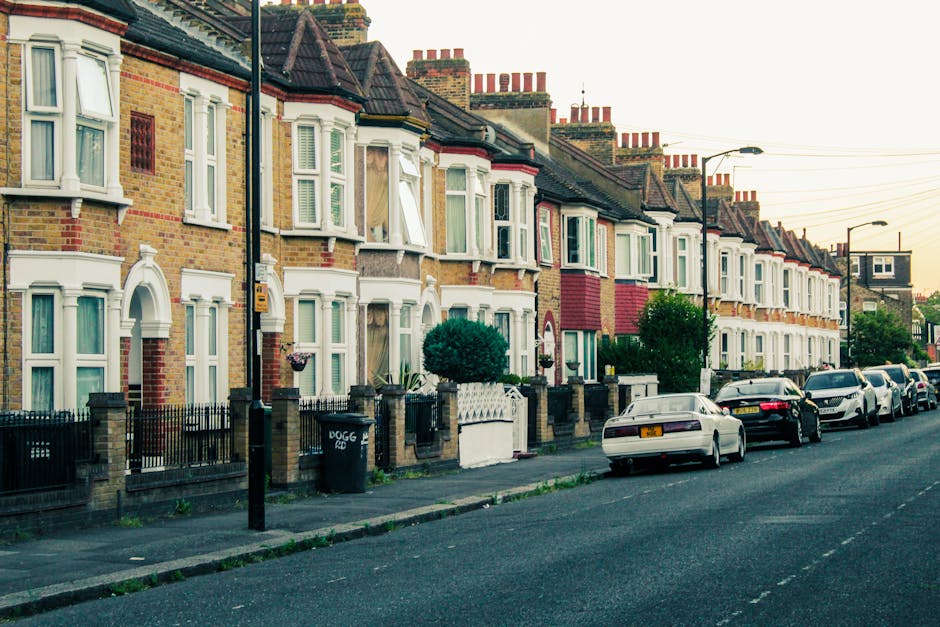
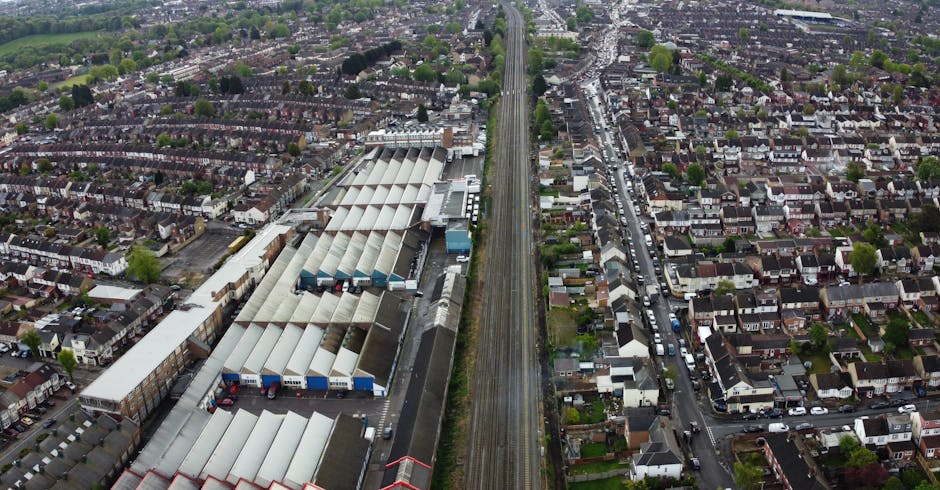
Watford is a town in Hertfordshire, lying to the north-west of London and shaped by both its historic core and later suburban growth. Its centre developed around the traditional market town pattern, with St Albans Road, the High Street and surrounding streets forming part of a busy urban fabric that has long connected local trade, shopping and travel. The town sits close to the River Colne and the Grand Union Canal, which have influenced the wider landscape even where the most visible modern character now comes from roads, rail links and civic development. Cassiobury Park is one of the best-known open spaces in the area, with large parkland and paths that reflect the earlier estate landscape. Nearby, the lower River Colne corridor and canal-side stretches add a quieter green thread through the urban area. Watford also has a strong cultural and sporting identity, including Watford Football Club at Vicarage Road and the Watford Colosseum, a venue associated with concerts and civic events. The town's built environment mixes older commercial streets, post-war redevelopment and newer mixed-use areas, so visitors encounter a varied townscape rather than a single uniform centre. Many parts of Watford are linked by bus routes and rail services, making it a practical suburban centre as well as a local destination in its own right. Its character is shaped by movement, commerce and neighbourhood life, with parks, retail streets and residential districts all contributing to the wider identity of the town.
What affects the cost of a move

Removal pricing is usually influenced by the volume of items, the distance travelled, the type of property and the amount of handling required at each end. A straightforward ground-floor pickup is different from a job involving multiple floors, tight access or especially heavy furniture. The number of trips needed, the amount of packing support and whether any item needs dismantling can also affect the work. These are the practical details that matter most when a quotation is being prepared.
It is often easier to get a useful price when the enquiry includes the main items, the addresses involved and any access issues. For example, if a property has restricted parking or narrow stairs, that should be included from the start. If you are moving only part of a property, it helps to say what is excluded as well as what is included. You can look at pricing and quotes when you want to understand how the next step is usually handled.
There is no single rule that suits every move, which is why a quote is more reliable when it is based on real information rather than a brief guess. The aim is simply to match the job to the right level of support, without adding unnecessary extras. If you are ready to get started, make your enquiry today and request a quotation for your Watford move.
Helpful preparation for moving day
Good preparation does not need to be complicated, but it does need to be tidy. A sensible first step is to decide which rooms will be packed or cleared first, then keep walkways open so items can be moved out without obstacles. If furniture has removable parts, it is helpful to keep them together. Likewise, if there are fragile items, separate labelling can save time when the boxes are loaded and unloaded.
A brief written list of key items can be useful, especially when the move includes mixed rooms or items going to different destinations. That list does not have to be formal; it simply needs to remind everyone what is travelling on the day. If you need extra help with wrapping, boxes or packing order, packing and unpacking services can sit alongside the main move rather than replacing it. The important thing is that the plan stays realistic.
As a final practical point, try to note anything that could affect the loading route, such as internal steps, shared entrances, controlled parking or a narrow hallway. Those details help avoid surprises and can change the way the work is scheduled. If you are unsure whether a particular item needs special treatment, mention it when you enquire. That keeps the conversation focused on the move itself rather than on avoidable problems later.
Other removal services we provide
Alongside standard house and office moves, we also offer a number of related services that can be combined where appropriate. These include same-day removals for urgent situations, student removals for smaller term-time moves, and furniture pick-up when you need a specific item collected and delivered. Each one solves a slightly different problem, but they all rely on the same basic idea: matching the transport and handling to the job in hand.
If you are moving a single piece, emptying a room or arranging a full relocation, it helps to choose the most suitable service from the start. That may mean a regular removals booking, a targeted furniture move or a more compact vehicle arrangement. Removals is the broad category, while more specific pages help you narrow the choice to the type of work you actually need. That keeps the enquiry simple and the scope clear.
For many customers, the best next step is simply to describe the move in plain terms and ask for a quotation. If you are unsure which service fits best, we can help you identify the practical option before anything is booked. Make your enquiry today and request a quotation when you are ready.