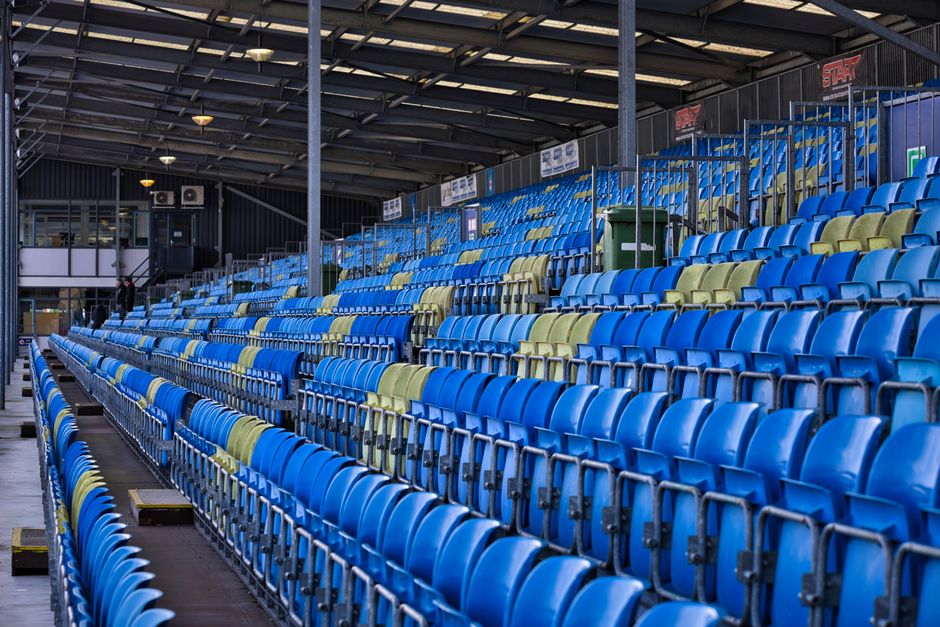
Vicarage Road furniture removals near Watford stadium: a practical local guide
If you are planning Vicarage Road furniture removals near Watford stadium, you already know this is not a simple "load it up and go" job. Matchdays, narrow access roads, parking pressure, flats, terraces, and the general stop-start rhythm around the stadium all change the way a move needs to be handled. The right approach saves time, protects your furniture, and makes the day feel far less chaotic. Truth be told, a well-planned furniture removal near a busy stadium is mostly about timing and common sense. The lifting matters, yes, but the logistics matter just as much.
This guide breaks down what local furniture removals involve, how they work, what to watch out for, and how to choose the best option for your situation. You will also find a step-by-step plan, a practical checklist, and a comparison of the most common moving methods. If you want a broader picture of available moving help, you may also find furniture removals, man with van, and home moves useful as supporting services.
Why Vicarage Road furniture removals near Watford stadium Matters
Moves near Vicarage Road tend to feel different from a normal residential collection. The area can be busy, traffic can bunch up quickly, and the timing of a job may need to work around events, school runs, commuters, or deliveries. If you are moving a sofa from a flat, clearing a whole house, or shifting office furniture, those little interruptions can snowball. And once a wardrobe blocks a hallway, the whole thing gets a bit fiddly, doesn't it?
Furniture removals in this part of Watford matter because most problems are caused before the first item is lifted. A bad parking plan, poor access check, or underestimating how bulky an item is can turn a straightforward move into a long afternoon. Heavy furniture also needs careful handling around steps, shared entrances, and tight corners. One scratch on a wall or one broken leg on a dining chair can wipe out the savings from a cheap, rushed move.
There is also a trust factor. If you are using a professional team, you want them to arrive prepared for the local layout and the realities of the street. Good moving teams do not just "show up"; they think through access, protection, sequence, and loading order. That kind of planning matters more near a stadium than people often expect.
How Vicarage Road furniture removals near Watford stadium Works
At a basic level, furniture removal is the process of collecting items from one property, protecting them during transit, and delivering them safely to another location. Near Vicarage Road, the process usually starts with an access check and a realistic moving plan. The team will want to know what is being moved, which floor each item is on, whether there is lift access, and whether the van can park close enough to avoid long carries.
In practice, the job often follows this pattern:
- Assessment - You describe the items, the addresses, and the access details.
- Planning - The route, parking, loading order, and timing are agreed.
- Preparation - Furniture is wrapped, dismantled if needed, and protected.
- Collection - Items are carried to the vehicle using the safest route available.
- Transport - Furniture is secured to reduce movement in transit.
- Delivery and placement - Items are unloaded, placed where requested, and reassembled if agreed.
For smaller jobs, a man and van setup can be ideal. For larger household clearances, a fuller house removals service may be the better fit. If you need packing help too, packing and boxes can simplify the day a lot.
Near stadium traffic, timing is not a tiny detail. It is central. A move booked for a quieter window often goes more smoothly than one scheduled in a rush with no buffer. That sounds obvious, but people still learn it the hard way.
Key Benefits and Practical Advantages
There are clear benefits to arranging a local, well-planned furniture move near Watford stadium rather than trying to handle everything informally.
- Less stress on moving day - Planning for local access issues reduces surprises.
- Better protection for bulky items - Sofas, wardrobes, beds, mirrors, and tables need wrapping and careful loading.
- Faster turnaround - A team that understands the area can plan routes and parking more efficiently.
- Lower risk of damage - Good lifting technique and proper equipment protect both furniture and property.
- Flexible support - You can often combine furniture pick-up, transport, dismantling, and delivery in one visit.
- Suitable for different property types - Flats, terraces, offices, student lets, and family homes all present different challenges.
A good local move also saves energy. Let's face it, nobody enjoys wrestling a mattress down a narrow staircase in a drizzle while trying not to hit a handrail. If someone else can do the heavy lifting safely and efficiently, that is usually worth its weight in tea and sanity.
For people comparing moving options, it may help to look at related services such as flat removals, furniture pick-up, and removal services to see which setup matches the scale of the job.
Who This Is For and When It Makes Sense
This type of furniture removal makes sense for anyone moving items in or around the stadium area who wants a safer, more organised process. That includes homeowners, tenants, landlords, letting agents, students, small offices, and people who have bought or sold second-hand furniture nearby.
It is especially useful when:
- you have large or awkward pieces, such as wardrobes, sectional sofas, or heavy dining tables
- you are moving from a flat with stairs or limited lift access
- you need a same-day collection after a sale or delivery change
- you are combining furniture removal with a wider house or office move
- you want a cleaner handover for a rental property
- you need temporary storage before the final delivery address is ready
Students often use smaller, simpler removals for beds, desks, and storage boxes. Businesses, by contrast, may need help moving desks, meeting tables, and filing cabinets with less disruption, which is where office removals or commercial moves can be more relevant.
If you are only shifting one or two items, a compact vehicle may be enough. If you are clearing multiple rooms, do not underestimate the space furniture takes once it is wrapped. A van fills faster than people think.
Step-by-Step Guidance
If you want the process to go smoothly, break it into simple stages. This is where good planning pays off.
- List every item
Write down what is being moved, including dimensions if you know them. Big pieces need special attention, especially if they will not fit through a doorway in one piece. - Check access at both ends
Look at stairs, lifts, entry codes, parking restrictions, and the turning space outside. Around busy roads, a van that cannot stop near the entrance can create delay very quickly. - Decide what needs dismantling
Beds, wardrobes, and some tables are easier and safer to move in parts. Keep screws and fittings in labelled bags. Small thing, big difference. - Book the right vehicle and team size
A single helper may be enough for one sofa. For a full property clearance, you may need a larger vehicle or more hands. Consider removal van or moving truck options depending on volume. - Protect the furniture
Use blankets, wraps, covers, and straps where needed. Soft furnishings, polished wood, and glass surfaces need extra care. - Clear the route
Move small obstacles, open internal doors, and protect corners if the route is tight. A hallway with shoes, bikes, and shopping bags in it becomes a mini obstacle course. - Load in a sensible order
Heavy items go in first and are secured properly. Fragile items should not sit under something that can shift. - Confirm placement at delivery
Tell the team where each item should go before unloading starts. It avoids the awkward shuffle of moving the same sofa three times.
If your move needs to happen quickly, you may also want to explore same-day removals. That is not always necessary, but it is a useful option when plans change at the last minute.
Expert Tips for Better Results
Small details make a big difference. In our experience, the smoothest furniture removals near Watford stadium are the ones where the customer gives practical information early, not vague guesses. "It's just a couple of things" often turns into a small sofa, a bed base, three stools, and a very full hallway. Happens all the time.
- Measure doorways, not just furniture - A sofa that seems fine in the lounge may be impossible through the stair turn.
- Take photos of awkward items - Images help a removal team judge handling needs before arrival.
- Schedule with a little buffer - Around stadium traffic, a 15-minute delay can become 30 if you have no flexibility.
- Keep essentials separate - Keys, chargers, medication, documents, and tea supplies should not get bundled in a moving pile.
- Ask about handling delicate items - If you have glass, marble, antiques, or a piano, make sure the right equipment is available. For the latter, piano removals is a specialist option.
- Think about your exit route - Sometimes the quickest route out is not the widest route in. Oddly enough, that catches people out.
One simple trick: stand at the front door and trace the path to the van as if you were carrying the item yourself. If you spot a tight turn, step, or fragile surface, the mover will too. This kind of early thinking saves hassle later.
If you are still weighing up provider type, you can also compare the benefits of removal companies against a more flexible man with a van arrangement. Neither is automatically better; it depends on the job.
Common Mistakes to Avoid
Most moving problems come from a few predictable mistakes. The good news? They are easy to avoid if you know what to look for.
- Not checking parking or access - The van should not arrive as a surprise guest with nowhere to stop.
- Underestimating item size - Flat-pack furniture can still be awkward once assembled.
- Leaving packing too late - A rushed wrap job often leads to scratched surfaces or loose fittings.
- Forgetting dismantling tools - A missing Allen key can halt the whole move.
- Ignoring building rules - Some flats and managed properties have moving restrictions or booking requirements.
- Choosing the wrong vehicle size - Too small means extra trips; too big can be inefficient for short local jobs.
- Not asking about insurance - Good providers are clear about how items are protected. For peace of mind, review insurance and safety information before booking.
Another one that crops up a lot: people keep items in wardrobes or drawers and forget that everything needs securing. A drawer full of cutlery is basically a rattle-box if it is not emptied. Nobody wants that sound bouncing around a van at 8:30 in the morning.
Tools, Resources and Recommendations
You do not need specialist kit to prepare, but the right basics make everything easier.
- Measuring tape - For doors, halls, lifts, and awkward furniture dimensions
- Blankets and covers - To protect fabric and wood from scuffs
- Strong tape and labelled bags - For screws, brackets, and fittings
- Marker pen - So reassembly is simpler at the other end
- Trolley or sack truck - Helpful for heavier items when appropriate
- Boxes for loose parts - Better than leaving bits floating around in the van
If you need help beyond basic transport, take a look at packing and unpacking services. If your move is larger or more complex, a broader removals service may be the most practical choice. And if you are managing a property handover with old furniture to clear, furniture pick-up can be a clean and efficient option.
For many people, the best recommendation is simple: use a company that gives clear answers before the job starts. If you have to chase basic details, that is usually a warning sign. Not always, but often enough.
Law, Compliance, Standards, or Best Practice
Furniture removals are practical jobs, but they still sit inside a framework of basic safety, consumer care, and responsible business practice. You do not need to be a compliance expert to book a mover, yet it helps to know what good looks like.
At a minimum, a professional mover should work in a way that protects people, property, and goods. That means sensible lifting, secure loading, and clear communication about what is included. If a team is moving through shared access areas, they should behave carefully and respectfully. Around flats or managed buildings, good practice also includes checking building rules, protecting walls and floors where necessary, and planning around access times.
It is also reasonable to expect clear booking terms, transparent pricing guidance, and secure handling of payment details. If you want to understand how a provider approaches those basics, pages such as terms and conditions, payment and security, and pricing and quotes are worth reviewing before you commit.
For environmentally conscious customers, responsible disposal and reuse matter too. If a furniture item is no longer needed, ask about reuse, recycling, or onward handling through recycling and sustainability. A good provider should be able to explain options plainly, without overpromising.
When a business is involved, especially in commercial buildings or shared sites, basic professionalism matters just as much as physical skill. The job should be carried out safely, politely, and without unnecessary disruption. That is the standard, really.
Options, Methods, or Comparison Table
Different moving setups suit different jobs. Here is a simple comparison to help you decide what fits best.
| Option | Best for | Strengths | Watch-outs |
|---|---|---|---|
| Man with a van | Small to medium furniture jobs | Flexible, often good for local collections and deliveries | May be less suitable for heavy, multi-room moves |
| Full removals team | House moves, larger furniture sets, complex access | More hands, better for bulky items and protection | Can be more than you need for a very small job |
| Removal van only | Compact loads and short-distance moves | Good efficiency for straightforward transport | You may need to do more lifting yourself |
| Same-day removals | Urgent or last-minute collections | Fast response when plans change | Availability may be limited, especially at busy times |
| Storage plus removal | Moves with timing gaps between addresses | Useful if your new place is not ready yet | Requires extra planning and clear item labelling |
If you are unsure which route to take, think in terms of access, item weight, and urgency. That usually points you in the right direction. For students or smaller households, student removals can also be a sensible match.
Case Study or Real-World Example
Picture a typical local move: a couple living in a second-floor flat just off the roads around Vicarage Road need to move a three-seat sofa, a bed frame, a mattress, a dining table, and eight boxes. Nothing exotic. But the building has a tight stairwell, parking is limited, and the move has to happen on a weekday when the area is already active.
They start by measuring the sofa width, photographing the stairwell, and checking whether the bed frame can be dismantled. They also tell the mover exactly where the van can stop and whether there is a lift. On the day, the team arrives with blankets, straps, and the right tools. The bed is taken apart first, the sofa is wrapped, and the table legs are removed. Because the loading order was planned in advance, the van is packed efficiently and the items arrive without marks or stress.
The part that made the biggest difference? Not the muscle. The prep.
In a more hurried version of the same move, someone might assume the sofa will "just fit," discover the parking is awkward, and waste time dragging items around a corner twice. That is exactly the kind of thing local planning prevents. A simple job becomes a decent one, and a decent one becomes smooth. That is the aim.
Practical Checklist
Use this checklist the day before and the morning of your move. It keeps things calm when the clock is ticking.
- Confirm the moving time and access details
- Check parking space or loading arrangements
- Measure large furniture and doorways
- Dismantle beds, shelves, or tables where needed
- Label screws, fittings, and parts bags
- Wrap fragile or polished items
- Clear paths, hallways, and stairwells
- Set aside valuables, documents, and essentials
- Tell the team where each item should be placed at delivery
- Double-check any storage or return-delivery plans
If you are moving from or into a shared building, it is worth checking whether lift access, concierge support, or time windows need to be booked in advance. A five-minute phone call can save a very long wait outside. Honestly, it really can.
Get a free quote today and see how much you can save.
Conclusion
Vicarage Road furniture removals near Watford stadium are all about making a local move work in a busy, real-world setting. The furniture matters, of course, but the access, timing, and planning matter just as much. If you get those parts right, the job becomes far less stressful and much safer for everyone involved.
Whether you are moving one bulky item, clearing a flat, or handling a bigger household transition, the smartest approach is to choose the moving method that fits the space, the schedule, and the furniture itself. Keep the plan simple, ask the right questions early, and do not leave the little things until the last minute. That is usually where the mess starts.
And if the process feels a bit much, fair enough. Moving is one of those tasks that looks easier from a distance than it feels in the hallway. Take it one step at a time, and it becomes manageable.
Frequently Asked Questions
What counts as furniture removals near Vicarage Road?
It usually means collecting, protecting, transporting, and unloading furniture for homes, flats, or businesses around the stadium area. That can be a single sofa or a full property load.
Do I need a full removals team or just a man with a van?
For one or two items, a smaller setup is often enough. For heavy, bulky, or multi-room jobs, a full team is usually safer and more efficient. The amount of access space matters too.
How do I prepare for a furniture move near Watford stadium?
Measure large pieces, check parking and access, dismantle anything bulky where possible, and keep screws or brackets in labelled bags. Clear the route from the property to the vehicle.
Can furniture removals be done on the same day?
Sometimes, yes. Same-day removals can work well for urgent collections, but availability depends on timing and vehicle capacity. It is best to ask early rather than assume.
What if my furniture will not fit through the door?
That is common with wardrobes, sofas, and large beds. The item may need dismantling, a different route, or special handling. A quick measurement before the move saves a lot of trouble.
Is it worth using storage during a move?
Yes, if there is a gap between addresses or your new place is not ready. Storage can make the transition much simpler, especially for larger household moves.
What furniture items need the most care?
Glass tables, mirrors, antiques, marble tops, polished wood, and heavy items like pianos need extra care. Soft furnishings also need protection from dirt and scuffs.
How can I keep the move affordable?
Be accurate about item count, give clear access details, and have items ready to go when the team arrives. Time lost on the day usually costs more than good preparation.
Should I book packing help as well?
If you have a lot of loose items, fragile belongings, or not much time, packing help can be very worthwhile. It reduces breakage risk and keeps the move moving, if you see what I mean.
What should I check before agreeing to a booking?
Check what is included, whether the provider is clear about pricing, how items will be protected, and what happens if access or timings change. Good communication upfront avoids confusion later.
Are there different options for flats, houses, and offices?
Yes. Flats often need careful stair and lift planning, houses may involve more furniture and room-to-room handling, and offices usually need less disruption and more scheduling discipline. Different jobs, different rhythm.
What is the best next step if I am still comparing options?
Start with your item list, access details, and moving date. Then compare the most suitable service style, whether that is a small van, a larger removals team, or a more comprehensive furniture service.