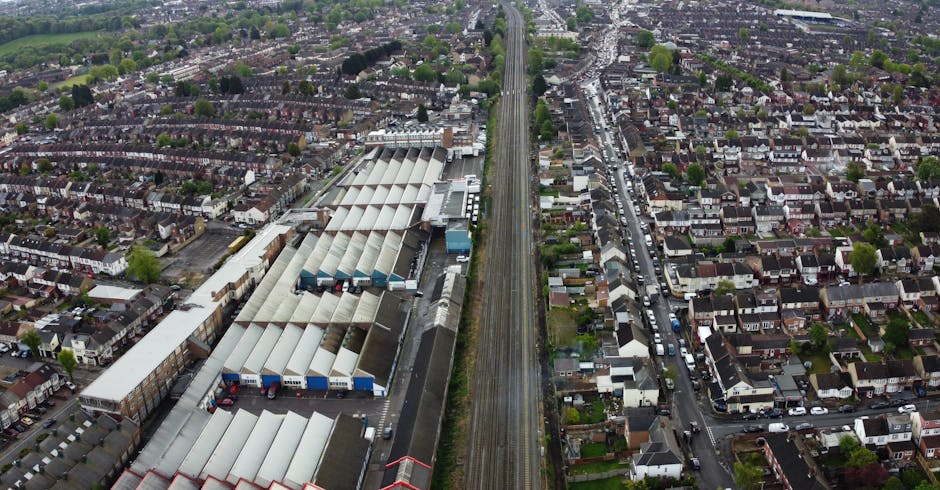
Watford Junction to Cassiobury Park Removals Guide
If you are planning a move between Watford Junction and Cassiobury Park, you are probably juggling a mix of practical questions: How long will it take? What route makes sense? Which van size do you need? And how do you move without turning the day into a half-packed, mildly chaotic blur? This Watford Junction to Cassiobury Park removals guide gives you the sort of grounded, local advice that actually helps on moving day.
The stretch from Watford Junction to Cassiobury Park may not look far on a map, but removals are rarely just about distance. Access, parking, staircases, bulky furniture, time windows, and whether you are moving from a flat, house, or student let all matter. Below, you will find a full walk-through of the process, common mistakes, sensible planning steps, and what to expect if you want the move to feel calm rather than rushed.
Why Watford Junction to Cassiobury Park Removals Guide Matters
A local move can look simple from the outside. It is only a short run across Watford, after all. But in removals, short distance does not always mean short effort. The route between Watford Junction and Cassiobury Park sits in a busy part of town, where traffic flow, loading space, and building access can shape the whole day.
That is why a route-specific guide is useful. It helps you think beyond the box count and focus on what really affects the move: timing, access, parking, vehicle size, item protection, and whether you need extra help with packing or dismantling furniture. If you have ever seen a sofa stuck halfway through a doorway at the worst possible moment, you already know the point. Moving is physical, awkward, and a bit unforgiving if the plan is loose.
This also matters because different households need different solutions. A one-bed flat near the station is not the same as a family home close to the park, and an office relocation has its own pressures again. Local knowledge saves stress, and often saves money too. For broader move planning, it can help to look at home moves, flat removals, and man and van support if your job is smaller or more flexible.
How Watford Junction to Cassiobury Park Removals Guide Works
Think of the move as a sequence, not a single event. The actual driving time may be fairly modest, but the overall move includes preparation, loading, transit, unloading, and the final placement of furniture and boxes. That is where most delays happen. Not on the road. At the door, on the stairs, or when someone realises the bed frame still needs dismantling.
In practice, the route works best when the move is split into stages:
- Pre-move planning: confirm addresses, access, parking, and item list.
- Packing and protection: box fragile items, wrap furniture, label clearly.
- Vehicle selection: choose the right van or truck for volume and access.
- Loading order: load large, stable items first and protect delicate pieces.
- Transit and unloading: move efficiently, but do not rush fragile items.
- Settle-in stage: place key furniture first so the property becomes usable quickly.
A sensible removals team will also consider whether the move needs more than one trip, whether a parking bay is needed, and whether there are any building rules or awkward entry points. If you are not sure what vehicle fits your move, pages such as removal van, moving truck, and removal truck hire are useful starting points.
Truth be told, the best removals are usually the boring ones. Calm, methodical, and a little uneventful. That is a good thing.
Key Benefits and Practical Advantages
Using a structured local removals plan for this route has a few clear advantages.
- Less time wasted: good planning reduces back-and-forth, forgotten items, and last-minute reloading.
- Better protection for your belongings: careful packing and sensible loading reduce breakage and scuffs.
- Reduced stress: knowing what happens next helps the whole day feel manageable.
- Smarter use of labour: the right team size and vehicle keeps the move efficient.
- More predictable costs: when the scope is clear, quotes are easier to compare fairly.
There is also a local advantage. Moves around Watford Junction and Cassiobury Park can involve different building types, from compact flats to family homes, and the loading conditions can change fast. One minute you have a tidy kerbside space; the next, a delivery lorry has made everything more interesting. A good plan absorbs those realities instead of pretending they will not happen.
If you are combining the move with storage or decluttering, consider whether short-term holding space would make the process smoother. That is especially handy when completion dates shift or you are waiting on keys. In those cases, storage can give you breathing room without cluttering the new place from day one.
Who This Is For and When It Makes Sense
This guide is useful for a few different kinds of movers.
- Homeowners moving from one Watford property to another.
- Tenants who need a quick, tidy move between rented properties.
- Students heading into or out of local accommodation.
- Flat movers dealing with stairs, lifts, narrow halls, or limited parking.
- Families who need a fuller service with packing support and careful furniture handling.
- Businesses relocating a small office or workspace and needing minimal downtime.
It makes sense whenever the move feels too large for a few borrowed cars, but not necessarily large enough to require a full-scale logistics operation. That middle ground is where many people land. They need a proper service, but not a ceremony.
Students and smaller households often benefit from flexible help such as student removals or man with van support. Offices, on the other hand, are better matched with office removals or broader commercial moves if there is equipment, furniture, or files to protect.
Step-by-Step Guidance
Here is a practical way to approach the move without losing your weekend to tape, dust, and mild regret.
1. Confirm the move details early
Start with the basics: pickup address, delivery address, dates, floor levels, and access restrictions. Make a note of whether you have a lift, whether there are steps at either property, and whether large furniture will need dismantling. That one detail can change the whole booking.
2. Make a room-by-room list
A simple inventory is enough. You do not need museum-level detail. Just list the large pieces, box counts, fragile items, and anything awkward such as mirrors, bikes, or a piano. Yes, pianos deserve their own line. They are not forgiving objects.
3. Choose the right moving support
If you have a small load and reasonable access, a lighter vehicle may be enough. If you are moving a whole household, a larger vehicle and more hands make sense. Matching the vehicle to the job is one of the biggest ways to avoid wasted time.
For heavier household contents, you may also want help from house removals or house removalists. For furniture only, furniture removals can be the cleaner fit.
4. Pack in the right order
Pack non-essentials first, then everyday items, then the last-day items like bedding, chargers, toiletries, and a kettle. If you are moving with children, pets, or a job that does not stop for moving day, this order matters more than people think.
It helps to use clear labels on every box: room, contents, and whether it is fragile. Keep a small essentials bag with documents, keys, medication, and chargers. That one bag can save a lot of faffing about later.
5. Prepare the properties
Before the team arrives, clear corridors, protect floors if needed, and make sure parking is as close as possible. It is not glamorous, but the little things shave time off the job. They also reduce the risk of knocks and scrapes.
6. Load with a plan
Heavy stable items normally go in first. Fragile boxes and lighter items should be secured properly. Good loading is about balance and restraint, not just filling the van to the roof and hoping for the best. That approach is a bit old-school, and not in a charming way.
7. Unload strategically
At the new property, prioritise beds, sofas, kitchen essentials, and anything needed for the first night. Once those are in place, the place starts to feel like home. Everything else can follow.
Expert Tips for Better Results
After enough local moves, a few patterns become obvious.
- Measure awkward furniture before moving day. Doors, stair bends, and hallway corners can turn a simple item into a problem.
- Keep one box per room of immediate essentials. It sounds small, but it keeps the first evening sane.
- Take photos of cable setups. This is especially useful for desks, TVs, and office equipment.
- Protect floors and corners if the property is tight. In older buildings, one accidental scuff is all it takes.
- Be realistic about lifting. If a wardrobe is heavy, wide, or awkward, get help rather than risking damage or injury.
One small but underrated tip: put together a moving-day drink and snack bag. It sounds almost silly, but after two hours of lifting and checking rooms, a bottle of water and a biscuit can feel very civilised.
If you are also looking at service quality and reassurance, read up on insurance and safety before you commit. That sort of detail is not exciting, granted, but it matters when something fragile is in the mix.
Common Mistakes to Avoid
Most moving headaches are preventable. They usually come from underestimating the job, not from bad luck.
- Leaving packing too late: last-minute packing leads to weak boxes and lost items.
- Booking the wrong vehicle size: too small means extra trips; too big can be inefficient.
- Ignoring parking and access: if the van cannot get close, everything takes longer.
- Not disassembling bulky furniture in advance: some items simply will not pass safely through narrow routes.
- Forgetting insurance or liability terms: know what is included before moving day.
- Assuming every box is the same: books, clothes, crockery, and glass all behave differently in transit.
Another common slip? People pack the essentials last. Then they spend the first evening hunting for phone chargers, toilet roll, and the one saucepan they actually needed. Not ideal.
If you are comparing providers, make sure you read the terms carefully and understand the payment process. Pages like pricing and quotes, payment and security, and terms and conditions help set expectations before the van even turns up.
Tools, Resources and Recommendations
You do not need a warehouse of kit, but a few moving tools make a real difference.
- Strong boxes: especially for books, crockery, and household staples.
- Packing tape and labels: boring but essential.
- Bubble wrap or paper wrap: for glass, ornaments, and electronics.
- Furniture blankets and covers: useful for avoiding scuffs and chips.
- Basic tools: screwdriver, Allen keys, and tape measure.
- Hand trolley or sack truck: invaluable for heavy boxes and appliances.
For more hands-on help, it may be worth combining services. For example, packing and boxes can help if you want a better packing setup, while packing and unpacking services are useful if time is tight. If there is a single awkward item, piano removals or furniture pick up may be the more sensible route.
For households trying to simplify the move, decluttering before the day is one of the best quiet wins. Less stuff means fewer boxes, less lifting, and a calmer unpack. Simple as that.
Law, Compliance, Standards and Best Practice
For a local removal job, the main thing is not legal complexity, but sensible compliance and safe working practice. In the UK, reputable movers are expected to handle goods carefully, work safely, and be clear about what is and is not covered. That includes transparent pricing, fair terms, and sensible communication around access and liability.
From a practical standpoint, a good removals company should be able to explain how it handles:
- Insurance and damage processes: what happens if something is broken or delayed.
- Health and safety: manual lifting, safe loading, and hazard awareness.
- Payment clarity: when payment is due and what methods are accepted.
- Complaint handling: a route to raise concerns if something goes wrong.
- Environmental responsibility: reuse, recycling, and responsible disposal where relevant.
Those principles are usually more useful to a customer than a wall of policy language. You want to know whether your mover is organised, careful, and honest. If a company can clearly explain its health and safety policy and recycling and sustainability approach, that is a good sign. It is also worth checking the company background on about us so you understand who you are dealing with.
And if accessibility matters for anyone involved in the move, whether because of a mobility issue, a building layout, or just practical need, it is worth reviewing the accessibility statement alongside the service details. That extra bit of care can make a big difference, especially on a stressful day.
Options, Methods and Comparison Table
Different moves call for different methods. Here is a straightforward comparison to help you choose.
| Option | Best for | Strengths | Watch-outs |
|---|---|---|---|
| Man and van | Small to medium local moves | Flexible, efficient, usually cost-conscious | May not suit larger homes or heavy loads |
| Removal van | Standard household moves | Good for local routes and compact access | Capacity must be matched carefully |
| Moving truck | Larger family homes or bulky contents | More volume, fewer trips, better for big loads | Needs suitable access and parking |
| Full removal service | Busy households, offices, complex moves | Less stress, more support, often faster overall | Usually more involved than basic transport-only help |
| Storage plus removals | Staggered completions or decluttering | Extra flexibility and breathing space | Needs planning so items are labelled properly |
For many people moving between Watford Junction and Cassiobury Park, the best fit is somewhere in the middle: a neat, local service with enough capacity to handle furniture safely, but not so much complexity that the job becomes unnecessarily expensive. That is why comparing removal services and removal companies before booking is usually time well spent.
Case Study or Real-World Example
Here is a realistic example based on the kinds of jobs people in this part of Watford often need help with.
A couple moving from a flat near Watford Junction to a home closer to Cassiobury Park had a straightforward list on paper: sofa, bed, dining table, a few appliances, and about thirty boxes. Nothing too wild. But the flat had a narrow stairwell, the bed frame needed dismantling, and parking outside the new property was tight at school-run time. Very ordinary problems, really. And that is exactly why the move needed planning.
They packed the non-essentials over two evenings, labelled boxes by room, and booked a vehicle that suited the actual volume rather than guessing. On the day, the movers protected the staircase, loaded the larger furniture first, and delivered the essentials room by room so the kitchen and bedroom could be set up quickly. The result was not flashy, just efficient. They were able to sleep in their own bed that night, which is often the real victory in a move.
Could they have done it with borrowed cars and a few friends? Maybe. But the time saved, the lower risk of damage, and the calmer pace made the proper removals approach the better choice. Sometimes the sensible option is the luxury, even if it does not feel like it at first.
Practical Checklist
Use this checklist in the days leading up to the move.
- Confirm the moving date and time window.
- Check access at both properties, including stairs and lifts.
- Reserve or plan parking near both addresses.
- Measure large furniture and awkward doorways.
- Pack fragile items separately and label them clearly.
- Set aside essentials for the first night.
- Disassemble bulky furniture if needed.
- Protect floors, walls, and corners where appropriate.
- Keep keys, documents, chargers, and medication with you.
- Review pricing, payment, and insurance details in advance.
- Decide whether you need storage, packing help, or a larger vehicle.
- Do a final walk-through of every room before leaving.
Expert summary: The smoothest Watford Junction to Cassiobury Park move is usually the one where the boring details are done early. Access sorted. Boxes labelled. Vehicle matched to load. That is the bit people skip, and then regret. Not dramatically, but enough.
Get a free quote today and see how much you can save.
Conclusion
Moving from Watford Junction to Cassiobury Park is manageable when you treat it like a proper project rather than a rushed errand. The route itself is local, but the success of the move depends on planning, access, packing quality, and the kind of support you choose.
Whether you need a small van for a compact flat, a fuller team for a family home, or extra help with packing, there is a sensible way to do it. Keep things clear, keep things labelled, and do not leave the awkward jobs until the last minute. A calm move is rarely an accident. It is built.
And honestly, once the boxes are in, the kettle is on, and the new place starts to feel familiar, the whole stressful stretch becomes a memory. A slightly tiring one, sure. But a manageable one.
Frequently Asked Questions
How long does a Watford Junction to Cassiobury Park removal usually take?
It depends on the size of the property, access at both ends, and how well packed everything is. A small local move can be fairly quick, while a larger household move may take most of a day. The drive is only part of it; loading and unloading usually take the most time.
Do I need a full removal service for a short local move?
Not always. If you have a small number of items and straightforward access, a man and van or man with van setup may be enough. For larger homes, a fuller removals service is often more efficient.
What is the best vehicle for a move in this area?
The right vehicle depends on how much you are moving and how easy it is to load outside each property. A removal van works well for smaller moves, while a moving truck is better for larger loads.
Should I pack everything myself?
You can, but many people choose partial help if they are short on time or have fragile items. If packing feels overwhelming, packing and unpacking services can remove a lot of pressure.
What if I have bulky furniture or a piano?
Specialist handling is the safer route. Heavy or awkward items need the right equipment and technique. For those jobs, piano removals and furniture removals are the more appropriate options.
How can I avoid damage during the move?
Use proper packing materials, label fragile items, dismantle bulky furniture where needed, and make sure items are loaded securely. It also helps to choose a provider that can explain its insurance and safety approach clearly.
Is storage useful during a local move?
Yes, especially if your dates do not line up neatly or you want to declutter before moving in. Short-term storage can make the whole process feel less cramped.
What should I ask for in a quote?
Ask what is included, whether packing or dismantling is extra, what vehicle is planned, how access issues are handled, and how payment works. A clear quote is much better than a cheap-looking number with hidden uncertainty.
Do removals around Watford Junction and Cassiobury Park need parking planning?
Usually, yes. Even a short-distance move can slow down if the van cannot park near the door. Planning parking in advance is one of the easiest ways to save time and reduce stress.
Are same-day removals possible?
Sometimes they are, depending on availability and the size of the job. For urgent situations, same-day removals can be a practical option, though flexibility is often limited.
What is the difference between house removals and flat removals?
Flat removals often involve tighter stairways, lifts, and loading access, while house removals may involve more furniture and a larger volume overall. Each needs a slightly different plan, even if the postcode is close by.
How do I know if a removals company is trustworthy?
Look for clear information about the company, practical pricing, safety guidance, and complaint handling. Pages such as about us, complaints procedure, and pricing and quotes help you judge whether the service is transparent and well run.